





If you’ve ticked off the big names like the Red Sea, the Great Barrier Reef, or the Maldives, you might be wondering where to dive next. If you have a good sense of adventure and love of the road less travelled, the world is full of lesser-known dive spots. These destinations might not have five-star resorts, but they deliver what so many divers crave: raw beauty, abundant marine life, and the quiet thrill of discovering something extraordinary that few others have seen.
Here are 10 hidden dive destinations to add to your list if you’re looking for something off the tourist trail.
Where next to dive?
1. Alor, Indonesia
While Indonesia is hardly off the radar, Alor remains one of its best-kept secrets. Located in the remote east, Alor offers jaw-dropping coral reefs and a unique mix of big and small marine life. The currents can be challenging, but that’s what makes the diving so rich. Expect everything from schooling hammerheads and mola mola to rare critters like rhinopias and ghost pipefish.
With few dive boats and small eco-resorts, Alor is perfect for divers who want a pure, untouched reef experience.

Best time to visit: April to November for calm seas, excellent visibility, and a mix of pelagic and macro life.
2. Banco Chinchorro, Mexico
Tucked away on Mexico’s southern Caribbean coast near the Belize border, Banco Chinchorro is an atoll that few divers have heard of. It’s home to healthy reefs and a wild population of American crocodiles—yes, you can dive with them (safely and ethically with trained guides).

Accessed via small fishing villages like Xcalak, this UNESCO biosphere reserve is a far cry from the crowds of Cozumel.
Best time to visit: June to September, when warm, stable weather makes for ideal crocodile encounters and clear reef diving.
3. Tufi, Papua New Guinea
Papua New Guinea is already a destination for the more intrepid diver, and Tufi—on the country’s northeast coast—is one of its lesser-known jewels. Set among dramatic fjord-like inlets, Tufi offers a mix of muck diving and outer reef walls alive with colour. Expect pristine soft corals, WWII wrecks, and the chance to dive with just your buddy and a guide.
Tufi also offers strong community engagement, making it a meaningful place to dive and connect with local culture.

Best time to visit: October and November sit between the trade wind seasons, offering calm seas, cooler waters that attract marine life, and excellent visibility.
4. Fuvahmulah, Maldives
The Maldives are known for luxurious resorts and gentle channel dives—but Fuvahmulah, a single-island atoll in the far south, flips the script. This isolated island is surrounded by deep water, attracting big pelagics year-round. It is fast gaining a reputation as the world’s top spot for tiger shark diving, with tiger sharks present year-round. This unique destination also boasts thresher sharks, hammerheads, whale sharks, and numerous reef sharks – not your average Maldives itinerary.

With only a handful of local guesthouses and dive centers, Fuvahmulah is as close to wild diving as the Maldives gets.
Best time to visit: January to April, when dry conditions and clear water bring consistent tiger shark sightings and oceanic action.
5. Sudanese Red Sea
North of the Egyptian Red Sea dive scene lies Sudan, home to dramatic walls, rich coral, and far fewer divers. Sites like Sha’ab Rumi, Cousteau’s Conshelf II, and the Umbria wreck offer both natural and historical wonder. The reefs are untouched compared to those further north, and the fish life is phenomenal.
 Image: Tim Nicholson
Liveaboards are the best way to explore Sudan’s coast, and while logistics can be trickier, the reward is incredible diving without the crowds. The diving is more remote and challenging than the Egyptian Red Sea, making it best suited to experienced divers.
Best time to visit: January to April for hammerheads or August to October for manta season.
6. Rodrigues Island, Mauritius
Often overshadowed by Mauritius and Réunion, Rodrigues Island is a small, rugged volcanic island surrounded by a massive lagoon. It’s a quiet place, with limited infrastructure, but the diving is full of character. You’ll find coral gardens, caves, and canyons, plus seasonal encounters with eagle rays and turtles.
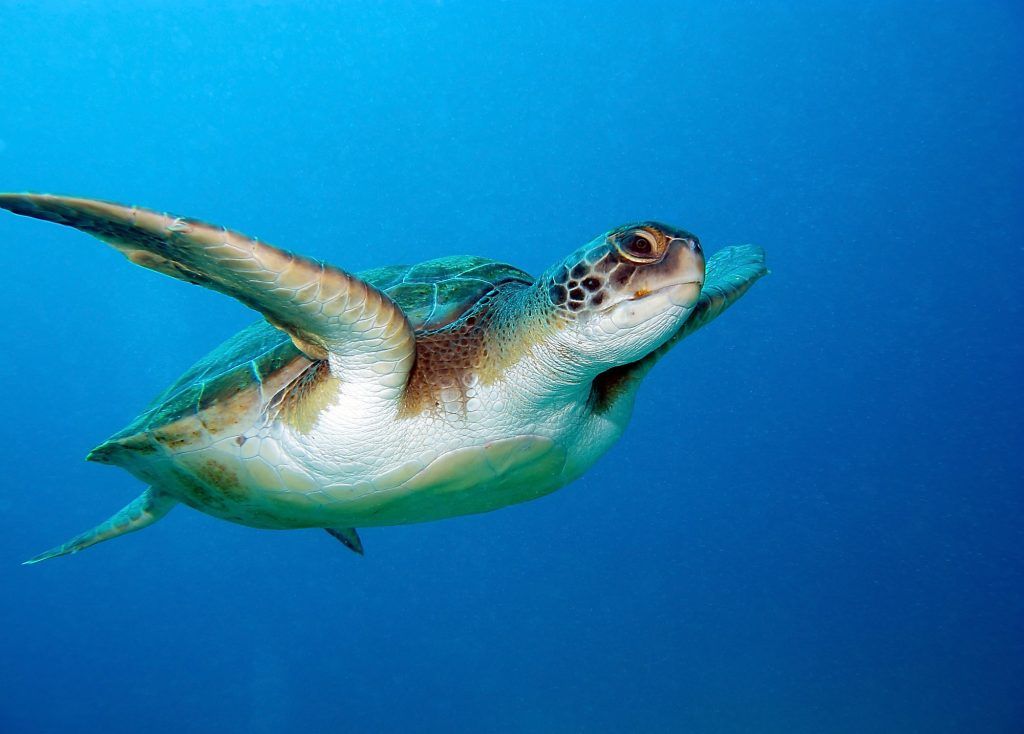
Rodrigues is ideal for divers who value serenity, local culture, and eco-friendly travel.
Best time to visit: October to May, when warmer water and lighter winds create perfect conditions for exploring reefs and lagoons.
7. Cenderawasih Bay, Indonesia
Best known for its friendly resident whale sharks, Cenderawasih Bay in West Papua is a dream for divers who want close, respectful encounters with these gentle giants. Unlike open-ocean whale shark sightings, these sharks gather in shallow bays, making for long, unhurried dives.

The bay also features WWII wrecks, macro life, and vibrant reefs. It’s remote, but reachable by liveaboard or a combination of domestic flights and transfers.
Best time to visit: October to April, when the calmest seas align with the highest chance of diving with resident whale sharks.
8. New Caledonia
Nestled in the South Pacific between Australia and Fiji, New Caledonia remains off the radar for many divers—and that’s part of its charm. This French overseas territory is home to the world’s second-largest barrier reef, an expansive UNESCO World Heritage-listed lagoon, and dive sites that range from easy coral gardens to deep passes and wrecks.

Expect a mix of hard and soft corals, reef sharks, turtles, and colorful macro life. With only a handful of dive operators, New Caledonia offers exceptional biodiversity without the crowds. It’s a perfect destination for divers who want warm waters, excellent visibility, and a unique blend of French culture and Melanesian heritage above the surface.
Best time to visit: September to November, when spring brings warm, clear waters and active reef life in this pristine lagoon system.
9. São Tomé and Príncipe
Africa’s second-smallest country is also one of its most biodiverse. Located in the Gulf of Guinea off the west of Africa, these islands boast dramatic forest-covered landscapes with numerous waterfalls, sheer cliffs, and white and black sand beaches. Below the waterline, there is unspoiled tropical scuba diving, with pristine reefs barely touched by tourism. The reefs are healthy, the water is warm, and the locals are welcoming.

São Tomé and Príncipe diving is great for experienced divers who want a blend of adventure, nature, and a slower pace of life.
Best time to visit: December to March for the best visibility, or July to October for humpback whale season.
10. Gulen, Norway
For wreck diving with a difference, head north to Gulen in western Norway. The waters here are cold but rich in history. The region is home to the “Wreck Alley” of Norway, with numerous World War II wrecks resting at diveable depths. Visibility can be surprisingly good, and there is a rich array of marine life – think wolffish, numerous stingrays, nudibranchs, carpets of dead men’s fingers, and thriving kelp forests.

Norway might not spring to mind when thinking about scuba holidays, but Gulen is a hidden treasure for wreck lovers and underwater photographers.
Best time to visit: June to August for peak marine life action and warmer waters.
If you want to escape the crowds or simply discover something new, these locations are well worth the journey. It can require a bit of patience when you go off the beaten track, but just remember, remote doesn’t mean rough. Many of these destinations offer eco-lodges, liveaboards, and guesthouses that support sustainable travel. Wherever you want to go, find a local dive centre first and chat with them about what to expect and any gear you’ll need. Always dive respectfully and explore these pristine environments with care.
This article was written by Kathryn Curzon, a dive travel writer for SSI.
Image credits:
- Wreck of the Umbria, Sudan: Tim Nicholson


