





Summer diving often draws attention toward familiar tropical hotspots, but equally memorable dives begin just outside the usual travel circuit. In these places, summer changes what is possible underwater. Long daylight makes near-freezing water easier to face, calmer seas open exposed walls and seamounts, and brief weather windows bring distant pelagic encounters within reach.
In Iceland, long daylight makes an icy dive easier to manage. Around the Farne Islands and Gozo, calmer surface conditions improve access. In Lembeh and the Azores, seasonal shifts affect runoff, visibility, and access to remote sites. Outside these summer windows, wind, swell, colder air, or heavier rainfall can make the same dives harder to reach or less comfortable.
1. Silfra Fissure, Iceland
At Silfra, marine life is not the focus. You descend into a ribbon of clear blue water between dark walls and swim through geology you can touch. Located in Thingvellir National Park, the fissure lies within the rift between the North American and Eurasian tectonic plates. Glacial meltwater filters through lava rock for decades before entering the channel, leaving it remarkably clear.

Summer does not warm Silfra or alter its famous visibility, which can exceed 100 meters (328 feet). It changes the moments before and after the dive. From June through August, Iceland’s long daylight, midnight sun, and milder air make the walk to the entry, the briefing and the dry-suit setup more comfortable than in winter, although the weather can still shift quickly.
Water temperatures range from 2°C to 4°C (36°F to 39°F) year-round. Once you descend, the Silfra Hall and Cathedral open ahead through water so clear that the fractured walls can appear suspended in space. The milder air does not change the icy water, but it makes the time before entering and after surfacing less harsh. Underwater, you can focus on the silence, the dark rock formations, and the sensation of floating through an almost empty blue space.
Silfra suits experienced divers who feel comfortable in a dry suit and want a pure geological experience rather than a wildlife dive. The SSI Dry Suit Diving Specialty helps divers practice suit control and buoyancy before entering this demanding cold-water environment.
2. Farne Islands, England
The Farne Islands rise from cold, tide-swept water off England’s Northumberland coast. From the boat, the low rocky islands look stark and exposed. Beneath the surface, kelp sways over boulder fields and anemones soften the rocky terrain. From June through September, longer daylight and water temperatures ranging from 11°C to 14°C (52°F to 57°F) create a more practical window for boat diving.
Gray seals are the main attraction. At first, you may see only a pale shape moving behind the kelp. Then a seal turns and glides closer, sometimes near enough for you to see its dark eyes and whiskers before it disappears again. Some are playful, while others keep their distance. The animals decide how close the encounter becomes.

Beyond the seals, rocky reefs and kelp-covered gullies shelter crustaceans, wrasse, anemones, and scattered wreck remains. Visibility changes with the tide and weather. In the green water, movement at the edge of your vision may be a seal, a fish, or a ribbon of kelp folding and unfurling.
Strong tidal flows require careful planning, so experienced skippers time dives around suitable tidal windows and the day’s wind and swell. The Farne Islands suit confident cold-water divers who are comfortable with boat entries, dry suits, and patient wildlife observation.
3. Gozo, Malta
Gozo’s pale limestone shapes the diving from the moment you enter the water. In summer, clear blue water reveals arches, vertical walls and tunnels long before you reach them. From late June through September, water temperatures often range from 24°C to 26°C (75°F to 79°F), while visibility can extend beyond 30 meters (98 feet) on good days.

At many sites, the dive route follows the island’s limestone contours. At the Blue Hole, you enter through a sheltered circular pool, descend past pale rock, and pass through a submerged arch toward steep walls and open water. Nearby, the Inland Sea begins in shadow. You follow a long tunnel beneath the cliffs, watching the blue opening ahead grow larger until you emerge into the sea below towering rock faces.
Summer often brings more settled conditions than winter, improving access to exposed sites such as Reqqa Point. Here, the wall falls into deeper blue water, with sponges, small caverns, and occasional pelagic fish set against the limestone. Strong summer light reaches into arches and swim-throughs, creating natural frames for wide-angle photography.
Gozo suits intermediate divers who enjoy clear navigation points, varied depths, and routes through arches, tunnels, and steep wall systems.
4. Lembeh Strait, Indonesia
Lembeh Strait in North Sulawesi asks divers to slow their fin kicks, look down, and search the seabed one patch at a time. At first glance, the black volcanic sand and rubble can look almost empty. Then a frogfish takes shape against a sponge, a pair of eyes turns beneath the sand, or a tiny nudibranch appears where a moment earlier you saw only debris.

From June through September, lower rainfall and reduced runoff often bring steadier surface conditions across many muck-diving sites. Water temperatures range from 26°C to 29°C (79°F to 84°F). Calmer entries and more consistent visibility can make it easier to pause over a shallow slope and search slowly.
At sites such as Hairball, Nudi Falls, and TK3, mimic octopus, flamboyant cuttlefish, frogfish, and other small animals hide in the sand, beneath shells, and against rubble and sponges. Settle over one patch of seafloor and the details begin to move as a fin flicks, a texture changes, or something that looked like a stone quietly walks away.
That patient pace gives photographers time to work with a subject instead of rushing between sightings. The SSI Photo & Video Specialty can help divers improve camera handling, composition, and stable buoyancy around small marine life. In Lembeh, a twitch in the sand or a sudden change in texture can become the entire focus of the dive.
5. Azores, Portugal
The Azores rise from deep Atlantic water, where long boat crossings, swell, and open-blue descents are part of the experience. From July through September, calmer weather improves access to offshore sites. Water temperatures generally range from 20°C to 24°C (68°F to 75°F), while visibility often reaches 15 to 30 meters (49 to 98 feet).

Princess Alice Bank lies roughly 85 kilometers (53 miles) from Pico and is reached on a full-day offshore trip. Summer provides the main practical window for reaching the seamount, when calmer Atlantic weather gives operators a better chance of making the crossing safely.
Once you enter, there may be no reef close beneath you, only open blue water and a descent line fading into depth. Mobula rays are the main draw and may circle above the bank, which rises to around 30 to 40 meters (98 to 131 feet) below the surface. Blue sharks and occasional whale sharks may also appear during the wider Azores pelagic season, although encounters are never guaranteed. Waiting in open water for a dark silhouette to emerge from the blue makes the day feel closer to an expedition than a routine reef dive.
Closer to shore, Pico and Faial offer lava formations, arches, slope reefs, and occasional wreck sites. Even at the coastal sites, steep volcanic slopes fall toward deep Atlantic water, keeping the open ocean within sight throughout the dive. This destination suits experienced divers who are comfortable with currents, blue-water descents, and long days at sea.
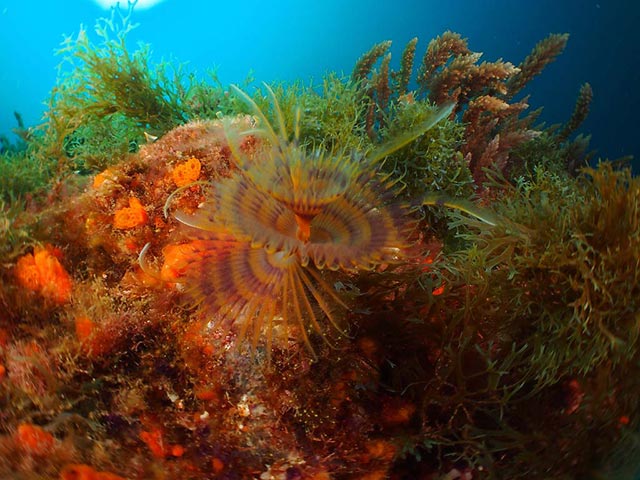
Which to choose?
Across all five destinations, summer changes the conditions divers actually experience. It brings longer daylight and milder surface conditions to Silfra, more practical boat-diving windows around the Farne Islands, clearer views of Gozo’s limestone formations, reduced runoff in Lembeh, and a better chance of reaching remote Atlantic seamounts in the Azores.
Choose according to your recent experience and the conditions you genuinely enjoy. That may mean icy water and a dry suit, strong tides and kelp, limestone tunnels, patient macro searches or open-blue descents far from shore. Check current access, weather,and operator requirements before booking. These five destinations reward divers who plan around the short season when daylight, calmer seas, or reduced runoff work in their favour.


