





August opens a rewarding window for diving across the Pacific. In many island nations clearer water, seasonal wildlife encounters and favourable diving conditions come together at this time of the year. Humpback whales visit parts of the region. Across other reefs, nutrient-rich currents sweep in, drawing sharks, manta rays and schools of pelagic fish.
These five destinations each reveal a different side of Pacific diving in August, from soft coral walls moving in the current to shark-filled passes and wartime wrecks.
Diving Fiji
Known as the “Soft Coral Capital of the World,” Fiji becomes especially colourful in August. Cooler, nutrient-rich water moves across the reefs, encouraging soft corals to open into swaying curtains of colour. Visibility often reaches 20 to 35 meters (66 to 115 feet), and water temperatures sit around 24 to 26°C (75 to 79°F).

A major strength of Fiji is its variety. Around Beqa Lagoon, divers can encounter bull sharks, tiger sharks, tawny nurse sharks and large schools of reef fish on carefully managed shark dives. At Rainbow Reef near Taveuni, the scenery changes completely. The famous Great White Wall is covered in pale soft corals that open with the current, spreading across the reef face in a blanket of white.

Sheltered reefs around the Mamanuca Islands give newer divers calmer water to settle into, and experienced divers can follow the current past pinnacles and open reef. For underwater photographers, the scale can change in seconds, from a tiny nudibranch tucked close to the coral to barracuda schooling higher in the blue.
Most visitors arrive through Nadi before continuing to the outer islands by ferry or domestic flight. Land-based resorts provide easy access to many well-known reefs, and liveaboards reach more remote northern sites. The SSI Perfect Buoyancy Specialty can help photographers and divers heading into stronger currents refine body position and stay steady near delicate coral.
Diving Tonga
August signals the return of humpback whales to Tonga’s sheltered waters, where they breed and give birth after their long migration north from Antarctic feeding grounds.

In-water whale encounters take place with licensed operators and are done by snorkeling rather than on scuba. Divers can combine them with reef diving throughout the Vava’u island group, where visibility can reach about 30 meters (98 feet) and winter sea temperatures sit around 21°C (69°F). Between whale excursions, the scene shifts back below the surface to Vava’u’s coral reefs.
The reefs deserve just as much attention. Volcanic rock formations, coral bommies, sea caves, and swim-throughs create a changing underwater landscape filled with butterflyfish, angelfish, turtles, and reef sharks. Mariner’s Cave is particularly memorable, with an underwater entrance leading into a hidden air chamber where divers can surface beneath the rock.
Tonga suits divers who enjoy quieter destinations and wildlife encounters away from busy dive boats. The slower pace also gives photographers time to settle into a site, watch behavior unfold, and wait for the right moment.
Most visitors connect through New Zealand, Australia, or Fiji. Whale season runs from August through October, so accommodation and licensed whale excursions are worth booking well ahead for August.
Diving French Polynesia
French Polynesia offers exhilarating diving and August brings favorable conditions. Visibility can reach around 30 to 40 meters (98 to 131 feet) in the dry season, with water temperatures around Rangiroa and Fakarava typically between 26 and 28°C (79 and 82°F).
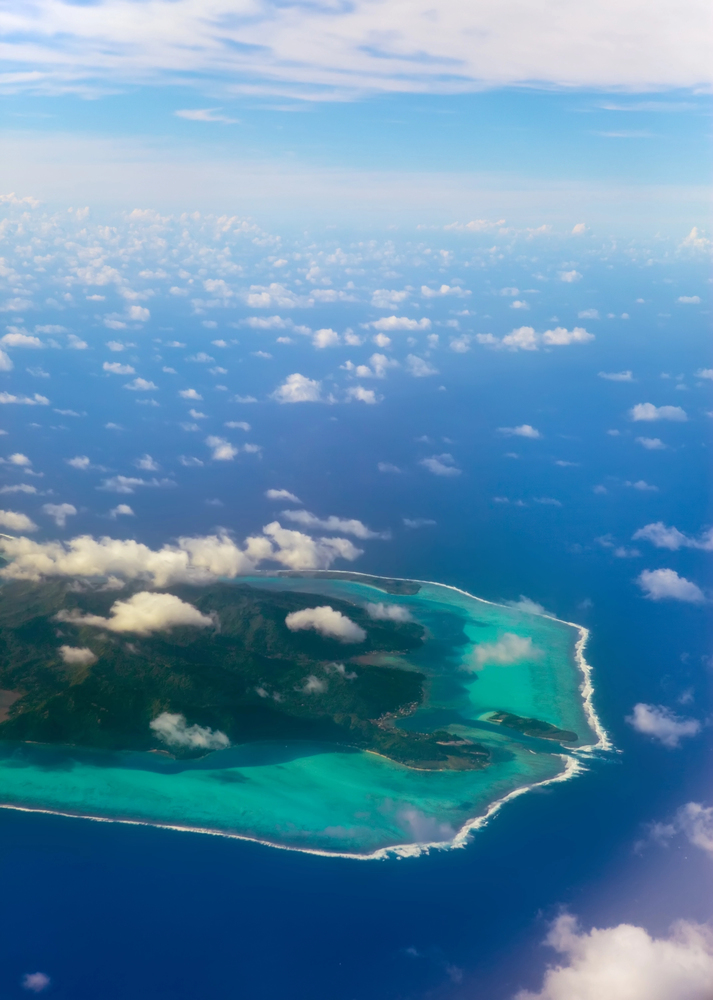
Although Bora Bora attracts many visitors, divers drawn to stronger currents and larger marine life often head to Rangiroa and Fakarava in the Tuamotu Archipelago. Powerful tidal passes funnel nutrient-rich water between ocean and lagoon, bringing sharks, rays, tuna, and dense schools of fish into the flow.
Tiputa Pass in Rangiroa is renowned for fast drift dives, where gray reef sharks, bottlenose dolphins, rays, and Napoleon wrasse may appear as the current carries you through. Each tide changes the feel of the dive. In Fakarava’s southern pass, hundreds of gray reef sharks gather in June and August, and the seasonal grouper spawning period adds even more movement to the channel.
These pass dives are best suited to confident intermediate and advanced divers comfortable with current. For wide-angle photographers, the scene can change in seconds as reef, schooling fish, sharks, or rays move through the frame.
Travel usually begins with an international flight to Tahiti before connecting to the outer atolls. Liveaboards offer more flexibility around tide-dependent dives and remote sites, and guesthouses bring divers closer to local island life. The SSI Marine Ecology Specialty can help divers understand how reef organisms interact with each other and their environment.
Diving Palau
Palau offers rewarding diving year-round, but August falls within the wetter May-to-October season. Water temperatures remain warm at around 28 to 30°C (82 to 86°F). Visibility can remain good, although rain and stronger winds can make surface conditions more variable than in the drier months. Underwater, the walls, blue holes, coral gardens, and current-swept channels still offer plenty to explore.

Palau packs plenty of variety into a relatively small island nation. One morning, a diver may drift through German Channel as manta rays visit cleaning stations. At Blue Corner, reef hooks can help divers hold position in suitable current as gray reef sharks, Napoleon wrasse, jacks, and barracuda sweep past. At Blue Holes, shafts of sunlight cut through collapsed limestone caverns before the dive opens onto the reef below.
Current diving gets much of the attention, but Palau also rewards photographers with hard and soft corals, reef turtles, pygmy seahorses, and dense reef fish. Surface intervals can take you through the Rock Islands or to Jellyfish Lake, where snorkelers can move through the water near golden jellyfish when current lake conditions permit.
Many of Palau’s signature sites are shaped by moderate to strong currents, so experience in moving water helps once the reef begins sliding past instead of sitting still. The SSI Waves, Tides & Currents Specialty helps divers understand dynamic open-water conditions and practice diving in currents. Most visitors base themselves around Koror, and a week leaves time to explore a wider mix of sites without rushing.
Diving Vanuatu
Vanuatu remains one of the Pacific’s quieter dive destinations, combining wartime history, coral reefs, caves, and varied marine life. August falls within the country’s cooler, drier season, often bringing lower humidity and clear conditions. Visibility can reach 25 to 40 meters (82 to 131 feet), and water temperatures average around 24 to 26°C (75 to 79°F), making a 3 to 5 mm wetsuit comfortable for many divers.

The country’s signature attraction is the SS President Coolidge near Espiritu Santo, one of the Pacific’s great wartime wreck dives. Resting between approximately 21 and 70 meters (69 to 230 feet), different sections cater to recreational and technical divers. As you move along the immense wreck, military vehicles, supplies, ammunition, and the famous porcelain figure known as “The Lady” bring its World War II history into view.
Beyond the Coolidge, Vanuatu opens into coral reefs, underwater caverns, and volcanic geology. Reef sharks, turtles, barracuda, and colorful reef fish move through the wider scene. Closer to the reef, nudibranchs, shrimp, and pygmy seahorses give macro photographers a reason to slow down and look carefully.
Vanuatu suits a wide range of divers, from beginners exploring sheltered reefs to experienced divers spending several days on the immense Coolidge. For the shallower exterior sections, the SSI Wreck Diving Specialty develops skills for recreational non-penetration wreck dives to 30 meters (100 feet). Deeper sections require appropriate technical training and experience.
Most travelers arrive via Port Vila before continuing to Espiritu Santo, where the country’s best-known dive sites are located. Allowing at least five or six days gives enough time to explore the Coolidge and surrounding reefs without turning the trip into a race from one dive to the next.
Planning Your Pacific Dive Adventure
Each destination brings something different in August. Fiji pairs soft corals with shark encounters, French Polynesia sends divers through tidal passes filled with sharks and schooling fish, and Vanuatu combines the dark outline of a wartime wreck with quieter reefs.
Large marine life may pull you toward French Polynesia. Photographers may prefer Fiji’s soft corals or Vanuatu’s mix of wreck and macro subjects. Travellers seeking quieter diving may favour Vanuatu, and divers who enjoy strong currents should keep Rangiroa or Fakarava high on the list.
Travel logistics vary just as much as the diving. Fiji has strong international connections and straightforward island transfers. French Polynesia usually adds domestic flights, and Vanuatu may involve another regional connection. For remote Pacific travel with several flights and transfers, Dive Master Insurance can provide added protection against common travel disruptions and issues with diving equipment.
These destinations sit across enormous distances, so explore one country in depth.
Which Pacific Destination Is Right for You?
The Pacific holds an extraordinary range of diving, and August opens different opportunities across the region.
Rather than asking which destination is “best,” think about the diving you want to remember after the trip. It might be the beauty of a reef, a close whale or shark encounter, the pull of a fast pass or a wartime wreck set against volcanic island landscapes. Match that experience to your training and comfort level, and August can be a memorable time to discover a new part of the Pacific underwater.
Pacific Dive Destinations Compared: August at a Glance
| Destination | Visibility | Water Temp | Signature Experience | Best For | Diver Level |
|---|---|---|---|---|---|
| Fiji | 20–35 m (66–115 ft) | 24–26°C (75–79°F) | Soft coral walls at Rainbow Reef; shark dives in Beqa Lagoon | Colour, variety, and photographers | Beginner to advanced |
| Tonga | Up to 30 m (98 ft) | Around 21°C (69°F) | In-water humpback whale encounters (snorkel); Vava’u reefs and Mariner’s Cave | Whale season, quieter destinations | Beginner to advanced |
| French Polynesia | 30–40 m (98–131 ft) | 26–28°C (79–82°F) | Drift dives through Tiputa Pass and Fakarava’s shark-filled south pass | Strong currents, big pelagic life | Intermediate to advanced |
| Palau | Good, but variable with weather | 28–30°C (82–86°F) | Manta rays at German Channel; sharks and current at Blue Corner; Blue Holes | Variety in a small area, current diving | Intermediate to advanced |
| Vanuatu | 25–40 m (82–131 ft) | 24–26°C (75–79°F) | SS President Coolidge wreck; caves, macro life, and quiet reefs | Wreck diving history, quieter trips | Beginner to technical (site-dependent) |


