





Indonesia is one of the most diverse diving destinations on Earth, with thousands of islands spread across the Coral Triangle. Each region offers something different: manta-filled channels, vibrant coral gardens, world-class macro sites and dramatic volcanic topography.
The challenge is not deciding whether to dive Indonesia. It is choosing where to go first. Some areas are ideal for beginners. Others are better suited to experienced divers who are comfortable with currents, changing conditions and remote travel.
This guide breaks down Indonesia’s major dive regions, what each one offers, who they suit best and how to choose a trip that matches your experience level and diving goals.

Komodo: Big Animals, Currents and Dramatic Topography
Komodo is often one of the first Indonesian destinations experienced divers consider, and for good reason. The region is known for strong currents, large marine life, and impressive underwater terrain. Steep walls, pinnacles and channels move nutrient-rich water through the park, attracting manta rays, reef sharks, trevally and large schools of fish.
 Image: Vovo Korth
Visibility usually ranges from 10 to 25 metres (33 to 82 feet). Plankton can reduce clarity, but it also brings more fish and larger marine life, especially around manta cleaning stations and reefs where currents bring in food.
Water temperatures vary significantly between sites. Northern areas may reach 28°C (82°F), while southern sites can drop to 20°C (68°F) or lower due to upwellings. This contrast creates rich ecosystems.
Komodo suits confident divers who are comfortable with drift diving, currents and changing conditions. The SSI Waves, Tides & Currents Specialty is especially useful for divers who want to understand current behaviour and feel more in control in dynamic open-water environments.
Photographers who enjoy wide-angle scenes will find strong opportunities here, especially around manta cleaning stations, reef channels and schooling fish.
Travel usually involves flying to Labuan Bajo, followed by day boats or liveaboards. Costs range from moderate to high, depending on trip style. Liveaboards offer access to more remote sites and more flexible dive planning.
Raja Ampat: Biodiversity and Remote Exploration
Raja Ampat is widely considered one of the most biodiverse marine environments in the world. The reefs are dense with soft corals, reef fish, and macro life, while manta rays, wobbegong sharks, and schools of barracuda add to the experience.
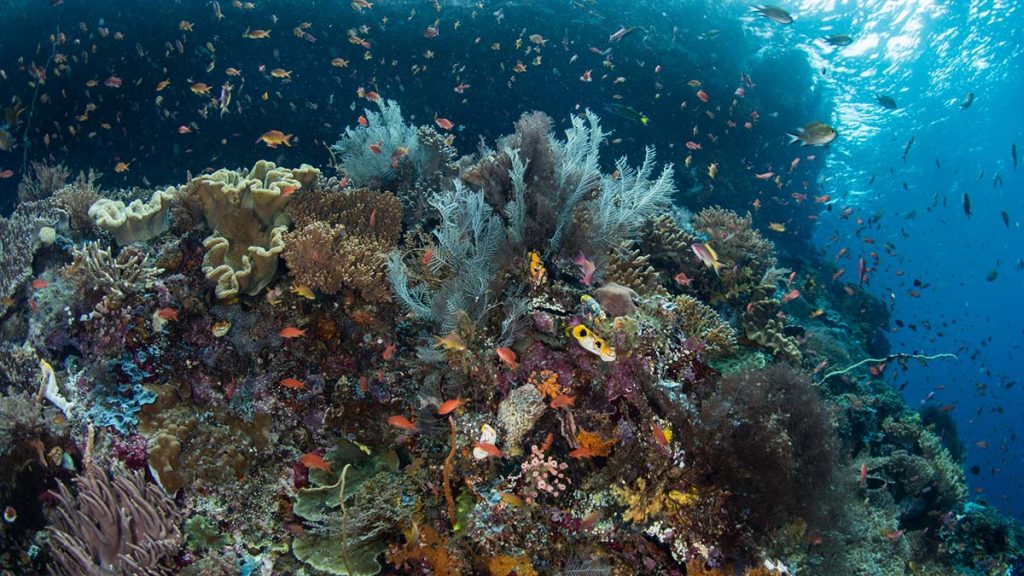 Image: Deposit Photos
Visibility typically ranges from 15 to 30 metres (49 to 98 feet), although plankton-rich areas may be slightly reduced. Currents vary from gentle to strong, but many sites can be chosen to match diver comfort. Water temperatures stay warm year-round, typically 27°C to 29°C (81°F to 84°F).
This region suits photographers, marine life enthusiasts, and divers who want variety rather than only big-animal encounters. The underwater scenery includes coral gardens, sloping reefs, and submerged pinnacles. Steady buoyancy matters here, especially around delicate reef systems.
The SSI Perfect Buoyancy Specialty can help divers fine-tune control, reduce accidental reef contact, and feel more relaxed while photographing or exploring delicate reef systems.
Raja Ampat also appeals to divers who enjoy quieter, remote destinations. Travel logistics are more complex, usually involving flights to Sorong followed by a boat transfer. Costs tend to be higher due to distance, but the diving is consistently exceptional.
Bali: Variety and Easy Access
Bali offers one of the most accessible introductions to Indonesian diving, with a wide range of sites around the island. Divers can explore coral reefs, macro-rich muck sites, the famous USAT Liberty wreck in Tulamben, and more current-exposed sites around Nusa Penida.
 Image: Shahar Shabtai/Shutterstock
Visibility usually ranges from 10 to 25 metres (33 to 82 feet), depending on location and season. Water temperatures vary between 22°C and 29°C (72°F to 84°F). Northern Bali is generally warmer and calmer, while sites such as Nusa Penida can bring cooler water and stronger currents.
These cooler waters attract manta rays and seasonal mola mola, making the region especially appealing to wide-angle photographers.
Bali suits almost everyone. Beginners can enjoy calm shore dives, while experienced divers can explore more dynamic sites around Nusa Penida. For divers drawn to Tulamben’s USAT Liberty, the SSI Wreck Diving Specialty can help build safer habits around wreck orientation, non-penetration dives, and buoyancy near submerged structures.
Travel is straightforward, with direct international flights and a strong dive infrastructure. Costs are usually lower than in more remote Indonesian destinations, making Bali ideal for divers who want variety without complex logistics.
For Bali, SCUBA News recommends AquaMarine Diving Bali.
North Sulawesi: Macro Life and Volcanic Landscapes
North Sulawesi, especially Lembeh Strait and the Bunaken area, is famous for macro diving. Black volcanic sand slopes hide rare critters such as frogfish, nudibranchs, mimic octopus and seahorses.

Visibility at muck sites is often lower, typically 5 to 15 metres (16 to 49 feet), but that is rarely the main point. Divers come here to slow down and search for small subjects rather than wide-angle scenery.
Nearby Bunaken offers a very different experience, with vertical coral walls and visibility often reaching 20 to 30 metres (66 to 98 feet). Water temperatures range from 26°C to 29°C (79°F to 84°F), making conditions comfortable year-round.
This region suits underwater photographers, macro enthusiasts and divers who enjoy slow, deliberate diving. Currents are generally mild in Lembeh but can be stronger around Bunaken. Travel usually involves flying to Manado, followed by short transfers. Costs are moderate, and the diving is highly specialised.
Alor: Remote, Wild, and Underrated
Alor remains one of Indonesia’s lesser-known dive regions, with pristine reefs, minimal crowds and a remote feel. Visibility often reaches 15 to 30 metres (49 to 98 feet), and marine life ranges from macro species to pelagic visitors.

The underwater terrain includes walls, coral gardens and volcanic slopes. Currents can be unpredictable, and cooler water may appear due to upwellings. Temperatures may range from 22°C to 28°C (72°F to 82°F). This variety supports rich marine life, but it also requires flexible dive planning.
Alor suits experienced divers who enjoy less-visited destinations and do not mind extra travel time. Reaching the region usually involves multiple flights followed by boat transfers, which increases both time and cost. The reward is uncrowded diving and healthy reefs.
Wakatobi: Calm Conditions and Pristine Reefs
Wakatobi is known for calm conditions, vibrant reefs, and excellent visibility that often exceeds 20 metres (66 feet). The reefs feature dense coral growth, gentle slopes, and abundant reef fish. Water temperatures remain warm, typically 27°C to 29°C (81°F to 84°F).

Currents are generally mild, making Wakatobi suitable for relaxed diving. This region appeals to beginners, photographers, and divers who prefer slow-paced reef exploration. Travel usually involves flights to Southeast Sulawesi followed by boat or resort transfers. Costs tend to be higher due to remoteness and resort-style operations.
Choosing the Right Region for Your Diving Style
Each Indonesian region offers a distinct experience, so the best choice depends on what you want from the trip.
Divers looking for large marine life, stronger currents, and action often gravitate toward Komodo. Those who want biodiversity, vibrant reefs, and strong photography opportunities may prefer Raja Ampat. Bali works well for mixed-experience groups because it combines easy access, calm shore dives, wrecks, and more dynamic sites around Nusa Penida.
North Sulawesi is the stronger choice for macro photographers, especially around Lembeh. Alor appeals to adventurous divers who want a less-visited region and do not mind extra travel time. Wakatobi suits divers looking for calm conditions, pristine reefs, and relaxed exploration.
Experience level should also guide the decision. Strong currents in Komodo and parts of Raja Ampat require confidence, good buoyancy control, and situational awareness. Bali and Wakatobi offer gentler conditions. Lembeh rewards patience and slow diving, while Komodo, Raja Ampat and parts of Bali offer more for wide-angle photographers looking for reef scenes, mantas, and larger marine life.
Seasonal Considerations and Planning Tips
Indonesia can be dived year-round, but the best season varies by region. Komodo is typically best from April through November, when seas are calmer. Raja Ampat is often ideal from October through April, although diving remains good year-round. Bali offers consistent conditions, with the best mola mola sightings usually between July and October. North Sulawesi stays relatively stable throughout the year, making it a reliable choice.
Planning ahead helps make the trip smoother. Indonesia is vast, and travel between islands can take longer than expected. Rest days between flights and dives help reduce fatigue, especially when the itinerary includes remote regions or several transfers.
Check water temperatures before you pack. In areas with upwellings, conditions can change quickly, and the right exposure protection can make the trip more comfortable.
Before choosing a more demanding Indonesian dive region, review your recent experience, comfort level and training needs. Currents, wrecks, delicate reefs and remote logistics all reward preparation. An SSI Professional can help you choose the right SSI training for your destination, so you can dive with more comfort, control, and confidence.
For divers still comparing regions, Scubago brings dive trips and courses together in one place.
With thoughtful planning, Indonesia’s dive regions offer unforgettable experiences for many interests and experience levels.
Image credits:
- Diver and Eagle Ray: Vovo Korth
- Raja Ampat Coral reef: Deposit Photos
- liberty, Bali: Shahar Shabtai/Shutterstock


