





A shark is worth infinitely more alive, swimming in its natural habitat, than it is dead in a fish market.
The fundamental problem with shark fisheries is that they are biologically incapable of being sustainable. Sharks grow slowly, mature late and produce very few young. Remove them faster than they can reproduce — which commercial fishing invariably does — and populations collapse.

In contrast, shark diving tourism generates tourist dollars again and again, directly supporting tens of thousands of jobs. For instance, In Palau, researchers found that the roughly 100 sharks regularly encountered at popular dive sites would fetch US$10,800 if caught and sold. Those same sharks contribute an estimated US$18 million per year to the local economy through diving tourism. Each live shark is worth around US$180,000 annually — a figure no fishery could come close to matching.
In the Maldives, a study published last month estimates that the benefits of the manta ray tourism industry are over US$311 million per year.
Ecological interest on investment
It’s not only the direct value generated that counts.
As apex predators, sharks are the architects of healthy marine ecosystems. They keep mid-level predators in check, preventing them from overgrazing the herbivorous fish like parrotfish and surgeon fish that control algae growth on coral reefs.
Healthy coral reefs are critical for commercial food fisheries, coastal protection against storms, general marine biodiversity and, of course, scuba diving.
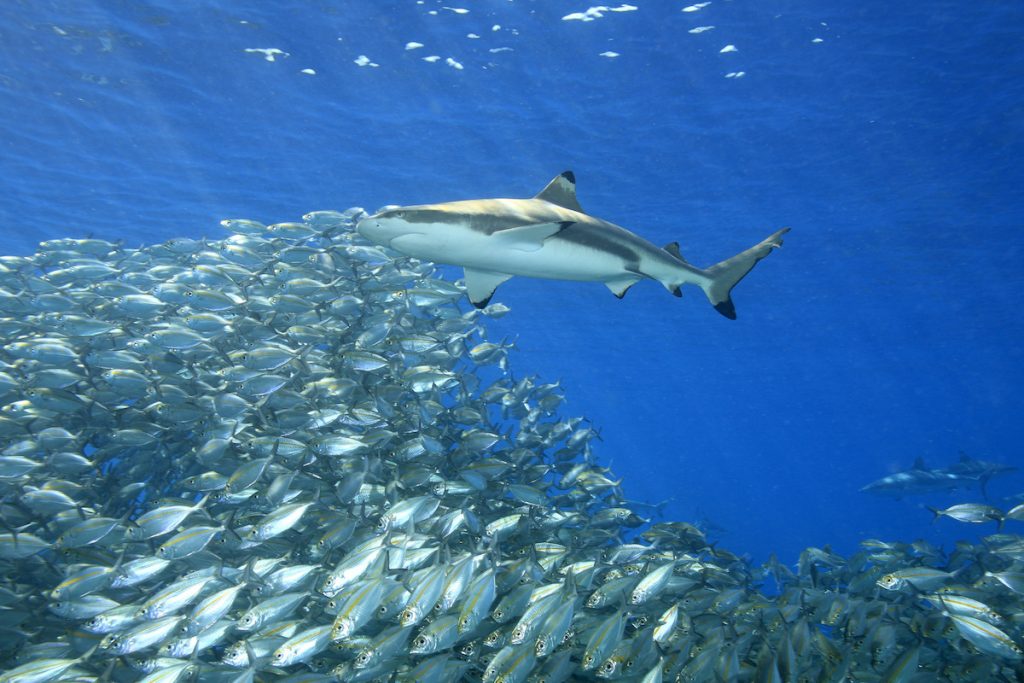 Image: DepositPhotos
How much do countries earn in shark diving tourism
| Territory | Date | Direct Earnings/year (USD) |
|---|---|---|
| Azores | 2019 | >$1 Million |
| Palau | 2012 | $18 Million |
| Maldives | 2019 | $51.4 Million |
| Mexico | 2021 | $455–725 Million (all diving) |
| Australia | 2014 | $25.5 Million |
| Global | 2011 | $314 Million |
Diving responsibly with sharks
So, how can divers and dive operators ensure that they dive with sharks responsibly? The WWF, Project Aware and the Manta Trust have produced a Guide to shark and ray tourism.
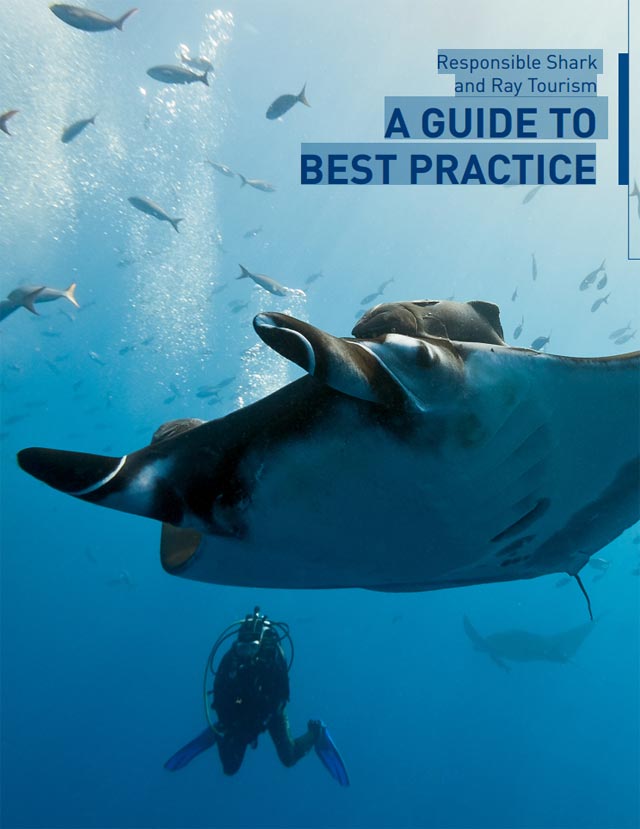
Advice from the Guide to Responsible Shark and Ray Tourism to Dive Operators
- Operate a code of conduct to reduce pollution from vessels, discarded waste and plastics, physical and chemical damage such as boat strikes, breaking off coral and damage from sunscreen.
- Avoid touching the animals or altering their habitat which could ultimately damage the resources upon which the tourism businesses are based.
- Think several times before feeding or “provisioning” sharks. Provisioning may lead to animals ‘begging’ from tourists, and becoming aggressive if they aren’t satisfied.
- Proactively support conservation of the habitats and species on which your business depends. Marine protected areas (MPAs), which limit or restrict activities that affect marine life within a defined area, are one widely adopted conservation tool. In Palau, shark diving within the MPA is popular because the white tip and grey reef sharks are predictable, relatively numerous, and spend most of their lives in the one area.
- Customers want the best experience they can get, so it’s important staff training goes beyond safety and customer service. Staff should receive a comprehensive induction into the business; and this should be followed by regular training and updates on the latest science, management practices, conservation and regulatory issues.
- Use eco-accreditation, such as that from Green Fins,
You can take a self-assessment survey to see how you score as a dive operator. The guide also provides a suite of free, practical, downloadable tools that can be used by operators, NGOs, local communities and resource managers.
Image credits:
- Blacktip Reef Shark with Fish: DepositPhotos


