





September stands at a crossroads in the underwater world. In one part of the globe, storms retreat, seas grow calmer and visibility stretches further than in the crowded summer months. In another, colder currents sweep in, summoning vast schools of pelagic creatures. For divers who choose their routes wisely, this is the moment when the ocean feels both quieter and more alive.
While the Atlantic may carry storm risks, many regions remain untouched — the Indian Ocean, the Pacific archipelagos, and even the Mediterranean, where warm clarity lingers. For those wondering where to dive in September, the choice is wide: mantas gliding through atolls, hammerheads gathering in blue depths, or delicate nudibranchs adorning coral gardens.
Maldives – Hanifaru Bay and Surroundings
 Image: DepositPhotos
September highlights: Hanifaru Bay in Baa Atoll becomes a living arena for manta rays. During this month, hundreds swirl in plankton clouds, often joined by whale sharks. The bay itself is snorkel-only, but divers can still experience manta encounters at neighboring cleaning stations.
Conditions: Visibility narrows due to plankton, but the spectacle of so many marine species eclipses it.
Special touch: Strictly regulated access ensures encounters are sustainable and respectful. Hanifaru remains for many the best place to dive in September if your dream is to witness mantas en masse.
Bali, Indonesia – Nusa Penida’s Seasonal Giants
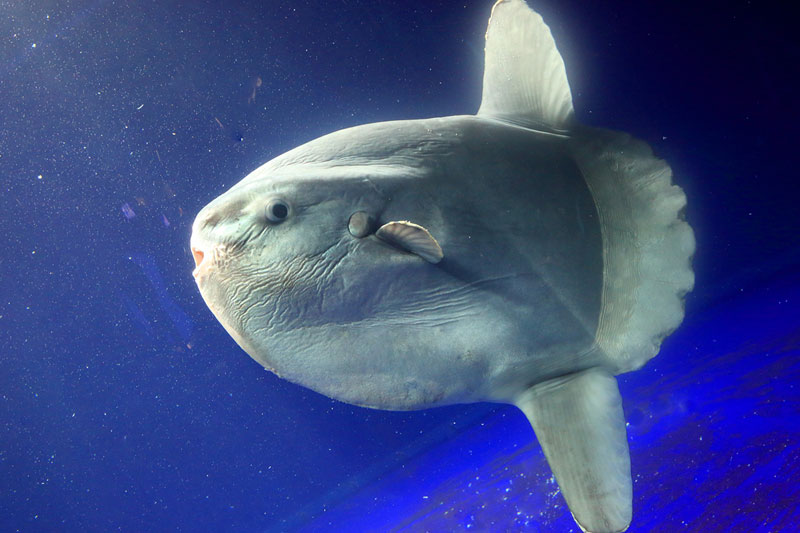
Why September is special: The elusive mola mola rises from deep waters to cleaning stations such as Crystal Bay, while manta rays sweep past reefs throughout the year.
Conditions: Temperatures drop to 18–22°C, and currents can be demanding.
Why divers love it: Few diving spots in the world combine the chance to see molas and mantas in one journey. For underwater travellers, this ranks among the best places to scuba dive in September.
Komodo National Park – Currents and Reefs
What makes September unique: As the dry season matures, seas are calmer and visibility improves. Batu Bolong and Castle Rock teem with sharks, turtles and huge schools of fish, while Manta Alley lives up to its name.
Conditions: Currents are part of the experience — skillful guidance is essential.
Why it’s outstanding: Komodo balances adrenaline-charged pelagics with vibrant coral reef life, offering some of the best places to dive in September.
Banda Sea – Hammerheads of the Ring of Fire

Seasonal highlight: September signals the arrival of scalloped hammerheads in large schools. Liveaboards across the Banda arc often include Ambon’s macro life and Manuk’s surreal snake-covered shores.
Conditions: Remote, raw, and current-swept — ideal for seasoned adventurers.
Why divers seek it out: Pure, untamed encounters where pelagics dominate the horizon. It is not just a site, but a full scuba diving trip into one of the planet’s wildest frontiers.
Galápagos – Darwin and Wolf Islands

What September brings: Cool currents carry nutrients, drawing hammerheads, whale sharks, dolphins, and turtles into dense aggregations. On lucky days, humpback whales breach nearby, reminding divers why this is one of the most iconic diving locations anywhere.
Conditions: Cold waters ranging from 16–24°C, with sharp thermoclines. Thick wetsuits or drysuits are essential.
Why it’s legendary: Few diving sites in the world match the biomass and energy of the Galápagos during September.
Egypt – The Red Sea’s Northern Wrecks and Southern Walls
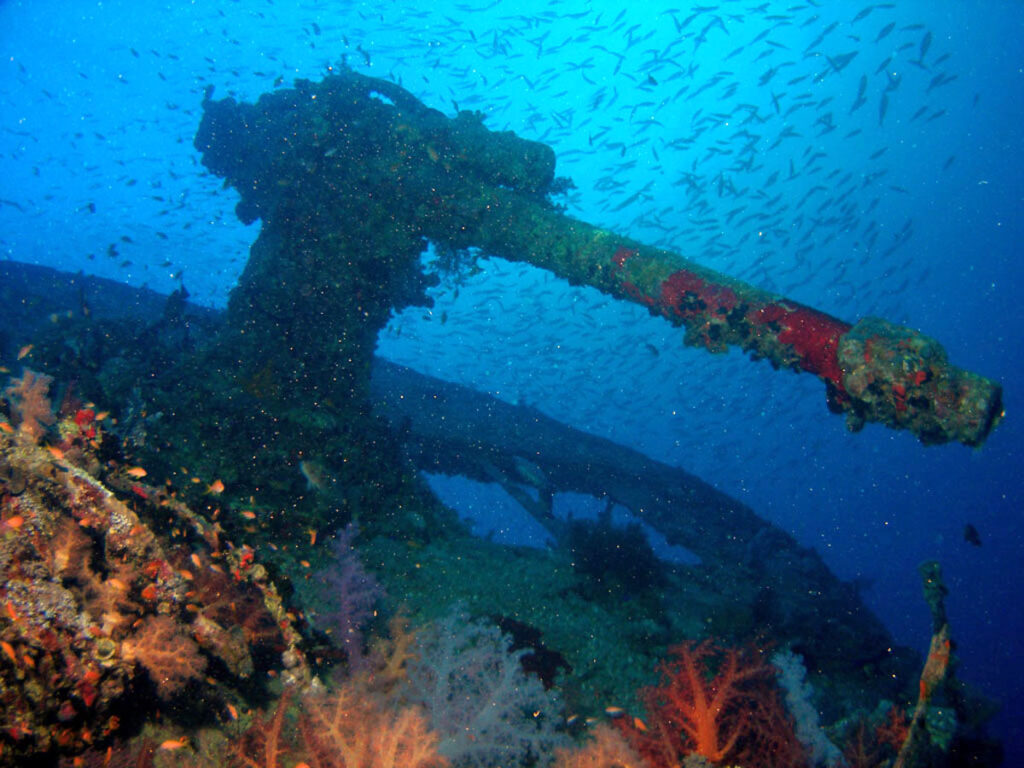
Why divers choose September: Gentle seas and bright clarity reveal treasures both natural and historical. In the north, wrecks such as the Thistlegorm and reefs of Ras Mohammed make for world-class dives. In the south, offshore sites like the Brothers, Daedalus, and Elphinstone deliver thrilling encounters with sharks along dramatic coral walls.
Conditions: Warm and inviting, suitable for a wide range of divers.
Why it stands out: Accessibility, strong infrastructure and rich marine diversity make the Red Sea a timeless diving destination in September.
Sea of Cortez, Mexico – Life in Motion

September transformation: As waters warm, marine life returns in force. At Los Islotes, playful sea lions twirl around divers. At Cabo Pulmo, jack schools spiral in vast silver columns. Offshore, hammerheads gather.
Conditions: Calm seas and pleasant temperatures enhance the experience.
Why it’s remarkable: The Sea of Cortez combines accessibility with dramatic megafauna, a rare mix in the diving world. No wonder it often features in tailored diving holidays for travellers seeking variety.
Hawaii – Kona’s Famous Manta Night Dive

What September offers: Consistently calm seas and dependable manta sightings create one of the ocean’s most theatrical dives. Divers watch as mantas sweep gracefully in circles, illuminated by underwater lights.
Conditions: Warm, beginner-friendly waters when guided.
Extra: On land, volcanic landscapes and pristine beaches complete the adventure.
Bonaire – A Shore Diver’s Haven

Why September is ideal: Beyond the hurricane belt, Bonaire offers calm seas and relaxed conditions. Dozens of marked shore entries lead from beaches to thriving coral reefs alive with turtles and nudibranchs.
Conditions: Easy, steady, and clear — perfect for beginners and experienced divers alike.
Why it’s unique: Freedom and independence. Few destinations make diving in September this effortless and rewarding.
Malta and Gozo – Caverns and History Beneath the Waves

September advantage: With summer crowds gone, clarity is exceptional. Malta’s wrecks (like the P29) and Gozo’s natural formations (such as the Blue Hole) show the Mediterranean at its finest.
Conditions: Warm waters with visibility often exceeding 30 m and crystal-clear light streaming into caverns.
Why divers are drawn here: A blend of history, limestone caves, and coral growth — Europe’s hidden late-summer treasure.
Practical Guidance for September Diving
Seasonal contrasts: While storms affect the Caribbean, other regions thrive. The Indian and Pacific Oceans enjoy calm seas, while the Mediterranean settles into warm, clear tranquility.
Gear notes: Light suits (3–5 mm) are perfect for the Maldives and Red Sea. For Galápagos or thermocline-heavy sites like Bali, thicker suits or layered protection are essential. Strong currents call for safety gear such as DSMBs.
Final Word
September is one of those months where scuba diving in September truly offers something for everyone. From manta rays at Hanifaru Bay to hammerheads in the Banda Sea, from calm Caribbean reefs to the Galápagos pelagic highways, the best places to dive in September span the globe. Whether your focus is dolphins, humpback whales, sea turtles, or vibrant coral reefs, there’s a diving destination in September that matches every diver’s ambition.
Image credits:
- Manta Rays in Hanifaru bay, Maldives: DepositPhotos
- Dolphins: Krzysztof Odziomek/DepositPhotos


