





Mexico’s Pacific-facing coastline is a dynamic stretch of ocean where changing seasons unlock different underwater spectacles. From the rocky outcrops of the Sea of Cortez to the remote, volcanic islands of Socorro, each region offers a distinct experience shaped by the rhythms of nature. For liveaboard divers, timing isn’t just a detail – it defines what you’ll see and how you’ll experience it. So, what’s the best time of year to dive in Mexico? The answer depends on where you go, and what you hope to find beneath the surface.
Understanding Dive Seasons in Mexico
Liveaboard diving in Mexico revolves around two main regions: the nutrient-rich Sea of Cortez and the pelagic playground of the Socorro Islands. These regions are home to some of the most sought-after marine encounters in the eastern Pacific, including schooling hammerheads, majestic manta rays, and the ocean’s largest fish – the whale shark.
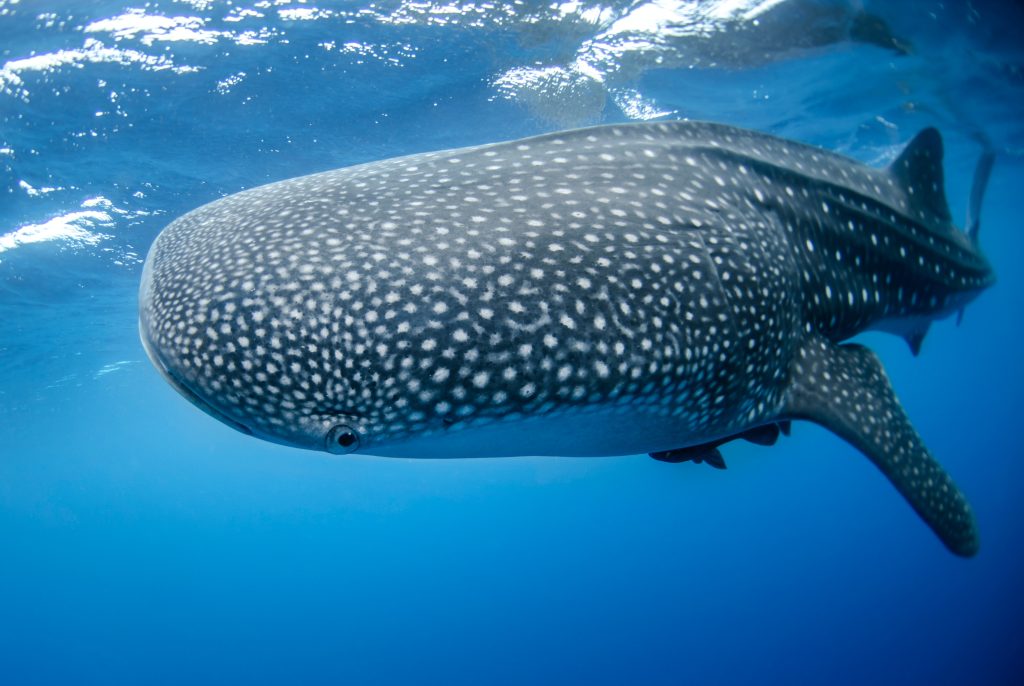 Image: NOOA
Mexico’s diving calendar is shaped by two major climate patterns. From May to October, the country enters its rainy season, characterised by warmer waters and increased plankton – ideal conditions for filter feeders. However, visibility may decline, and tropical storms are more likely. From November through June, the dry season offers clearer visibility and slightly cooler conditions, though surface winds from the north can stir up choppier waters.
Where to Dive in Mexico
Sea of Cortez & Baja California – Best from July to November
The Sea of Cortez, often called the “aquarium of the world,” hits its stride between July and November. During these months, warm waters and good visibility combine with calm surface conditions, attracting a wide range of species. Divers may encounter everything from whale sharks and schooling hammerheads to mobula rays and sea lions.

The underwater topography here is diverse – reefs decorated with gorgonian fans, rocky outcroppings, and occasional kelp forests provide refuge for nudibranchs, damselfish, and seahorses. Mobula rays gather in dramatic numbers from May through July, often seen breaching the surface as orcas tail them along their migratory path.

Juvenile whale sharks arrive in large numbers near Bahía de Los Ángeles from September through November to feed on plankton-rich waters. Larger, pregnant females are more frequently spotted in April and May. Meanwhile, playful sea lion pups begin interacting with divers in late summer, particularly August and September.

In deeper waters, sperm whales, pilot whales, and even orcas may be seen, especially between January and August. Gray whales arrive closer to shore from January to March, while blue and humpback whales pass through seasonally in the winter.

Baja California Diving Months and Marine Life Summary
| Month | Water Temperature | Key Marine Life & Conditions |
| July – November | Warmest (up to 29°C / 85°F) | Excellent visibility and warm water. This is prime season for seeing whale sharks, especially in the latter part of the season (October/November). You’ll also encounter giant manta rays and large schools of mobula rays and other pelagic fish. Sea lion pups are very active and playful. |
| December – March | Cooler (down to 18°C / 64°F) | Cooler water brings different life. This is the best time for whale watching, with humpback whales and gray whales migrating to the area. You can also see hammerhead sharks and large schools of jack fish. This season is also a good time for whale sharks around La Paz. |
| April – June | Warming (up to 26°C / 78°F) | This is a transitional period where the water is warming up, attracting different species. You may see mobula rays in large numbers, as well as orca and sea lions. The visibility is excellent, and this is a great time to see hammerhead sharks as well. |
Socorro Islands – Best from November to May
Over 600 kilometers offshore, the Socorro Islands are a magnet for pelagic marine life and accessible only by liveaboard. The dive season spans November through May, with specific windows offering better chances for different encounters.
From late January to early April, humpback whales arrive to breed and calve. Divers often hear their songs reverberating through the water. Visibility during November and December may decrease to 15–20 meters due to plankton blooms, but this is also a productive time for spotting whale sharks and an early influx of sharks.

As the water warms from November to early January, and again from April to May, manta rays, yellowfin tuna, and several shark species dominate. These include tiger sharks, oceanic white-tips, Galapagos sharks and schooling hammerheads. Sites like El Cañón are renowned for their large aggregations of hammerheads, while Punta Tosca is known for consistent pelagic sightings.
 Image: DepositPhotos
Socorro’s reefs, though sparse in coral, are alive with color from black coral forests and populated by macro species like angelfish, starfish, and seahorses. While surface conditions can vary, most dive sites offer shelter, making underwater conditions more predictable once moored.

Socorro Diving Months and Marine Life Summary
| Month | Water Temperature | Key Marine Life & Conditions |
| November – December | Warm (up to 28°C / 82°F) | Whale sharks are best seen during these months. Giant manta rays and most species of sharks are present. Excellent visibility. |
| Late January – Early April | Colder (down to 21°C / 70°F) | This is the peak season for humpback whales, which migrate here to breed and calve. Whale songs can be heard underwater. Giant manta rays and other resident sharks are still present. |
| May – Early June | Warming (up to 25°C / 77°F) | The water is at its warmest, which is the best time to see large schools of hammerhead sharks, as well as tuna and silky sharks. Mantas and other resident sharks are still active. |
Seasonal Highlights Across Mexico
Marine life in Mexico follows seasonal cycles that align with water temperature, currents, and biological triggers like spawning or feeding. Here’s what divers can expect throughout the year:
- Whale Sharks: Frequently seen in Socorro from November–December; in the Sea of Cortez, most abundant from September to November. Larger individuals are more likely in April–May.
- Mobula Rays: Best observed between May and July in the Sea of Cortez.
- Hammerheads: Found in schools at El Cañón from November to January and again during May–June.
- Humpbacks: Present in Socorro from January through March; often heard underwater.
- Mantas: Active throughout Socorro’s November–June season; more frequent in warmer months.
- Sea Lions: Found year-round in the Sea of Cortez; especially interactive in late summer.
- Gamefish and Tuna: Active in spring and early summer, especially in open-water regions.
A wide range of species, from tiny jawfish and nudibranchs to apex predators — can be seen across both regions, depending on timing.

Matching Travel Plans to Marine Life
What’s the best time of year to dive in Mexico?
The answer depends on your priorities. If your aim is to dive with schooling sharks, whales, and mantas, then November to May in Socorro delivers consistent pelagic sightings. For divers who prefer shallower sites, calm seas, and varied reef life, the Sea of Cortez from July through November is an excellent choice.
Is Mexico diveable all year?
Absolutely, but you’ll need to match the season to the region. While Socorro is inaccessible during the summer, other parts of Baja California remain active. The Sea of Cortez is particularly reliable, with both short-range and extended liveaboard trips operating even during shoulder seasons.
And if you’re coming for whale sharks?
Plan your visit to the Sea of Cortez in early fall to swim with juveniles near the surface. April and May offer chances to see larger individuals offshore. In Socorro, whale sharks may appear unpredictably in late fall, typically around November and early December.
Top Liveaboards for Mexico’s Dive Seasons
Choosing the right vessel for the best time of year for scuba diving in Mexico is key to maximizing your time underwater. These boats provide access to the best seasonal sites and are tailored for diver comfort:
- Adventure Liveaboard: A nimble option for Sea of Cortez trips, ideal for small groups.
- Nautilus Undersea: Strong ocean-crossing capabilities, excellent for Socorro expeditions.
- Nautilus Belle Amie: Spacious with high-end camera facilities, perfect for serious divers.
- Southern Sport: Versatile and comfortable for both Socorro and Sea of Cortez itineraries.
- Nautilus Gallant Lady: A boutique-style yacht offering intimate, high-service trips.
- Quino del Mar: Focused on education and exploration, ideal for science-minded divers.
Whether you’re looking for blue-water action or a closer look at reef detail, the best time to visit Mexico for diving depends on how you want to engage with the underwater world. Plan according to species patterns, choose your boat carefully, and your liveaboard experience in Mexico will unfold in all the right ways
Main image: Albert Kok/CC BY-SA 3.0
Image credits:
- noaa-whaleshark-unsplash: NOOA
- hammerhead sharks: DepositPhotos
- Caribbean reef sharks (Carcharhinus perezi) and a lemon shark (Negaprion brevirostris): Albert Kok | CC BY 3.0 Unported


