





June is one of the most underrated months in the diving calendar. In many destinations, it falls into a seasonal sweet spot, when visibility improves, marine life becomes more active, and crowds have not yet peaked.
It is also a month of contrasts.
You can watch mantas sweep through plankton-rich water in the Maldives, follow shark-filled channels in Komodo or descend through clear blue water beside Hawaii’s dark lava reefs. The key is choosing destinations that genuinely shine in early summer rather than places that are simply good year-round. Here are seven rewarding places to dive in June, who they suit, and what to expect from each trip.
1. Maldives: The Start of Hanifaru Bay Manta Season
June marks the beginning of one of the Maldives’ most exciting seasonal events: manta ray aggregation season around Hanifaru Bay in Baa Atoll.
 Image: DepositPhotos
The largest feeding gatherings usually occur later, between July and October, but plankton-rich currents often begin drawing mantas into the region in June.
The season is only getting started, yet the first encounters can already be memorable as mantas circle through the green-blue water with fewer visitors around. Hanifaru Bay itself is a protected snorkeling site, while nearby reefs and cleaning stations offer manta encounters for divers.
Where you dive in June matters. The southwest monsoon has begun, bringing more nutrients and marine activity to parts of the western atolls. Visibility can be lower than during the dry season, but the richer water is exactly what draws feeding marine life closer. Baa Atoll is the main choice for Hanifaru Bay, while North Ari Atoll also offers reef dives and potential manta encounters.
The Maldives suits big-animal lovers, underwater photographers and liveaboard travellers who want variety. Divers comfortable in currents can explore channels, while newer divers can enjoy calmer reef sites selected for the day’s conditions. The SSI Manta & Ray Ecology Specialty from SSI can add more meaning to these encounters by helping divers understand ray behaviour, identification, and responsible interaction.
2. Hawaii: Calm Seas and Crystal Visibility
June is one of Hawaii’s quieter months for diving. Winter swells have faded, especially around Oahu, Maui, and the Big Island, creating calmer conditions and clear blue water. Visibility can exceed 30 meters (98 feet), particularly along sheltered leeward coasts, where sunlight reaches deep across the reef.
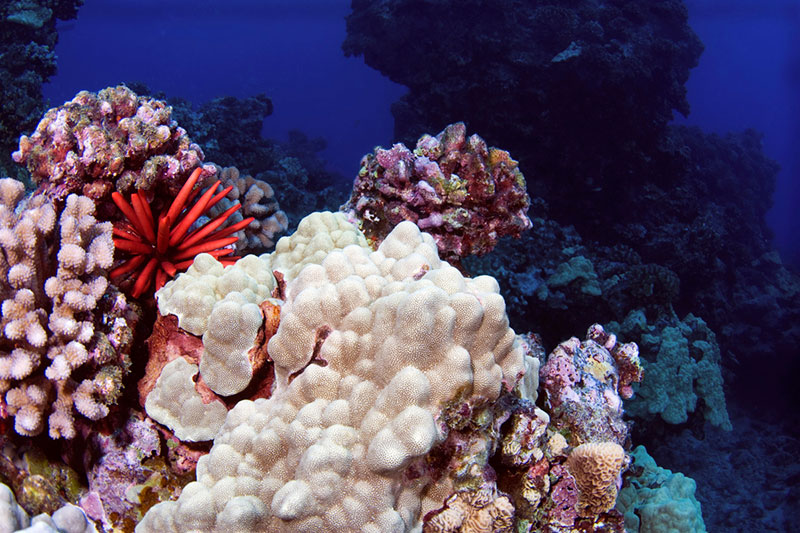
The Big Island stands out in June because conditions around Kona are often settled. Lava tubes, arches, and black volcanic ridges cut through the blue, making the underwater landscape feel very different from a typical coral destination. Eagle rays and reef sharks may appear along the reefs, while the island’s volcanic scenery gives photographers a striking backdrop.
Hawaii works well for a wide range of divers. Beginners can enjoy protected reef dives, while photographers benefit from the clean blue water and strong contrast against the lava. June is also a good time for Kona’s famous manta night dive, where mantas glide through beams of light, roll above the seabed, and feed on plankton overhead.
3. Belize: Reef Diving Before Peak Hurricane Season
June can still offer rewarding diving in Belize, but it sits at the beginning of the wetter season and the official Atlantic hurricane season. Water temperatures are usually around 28–29°C (82–84°F), and good visibility is still possible between showers. Conditions vary, so flexible planning matters more than it does during the driest months.
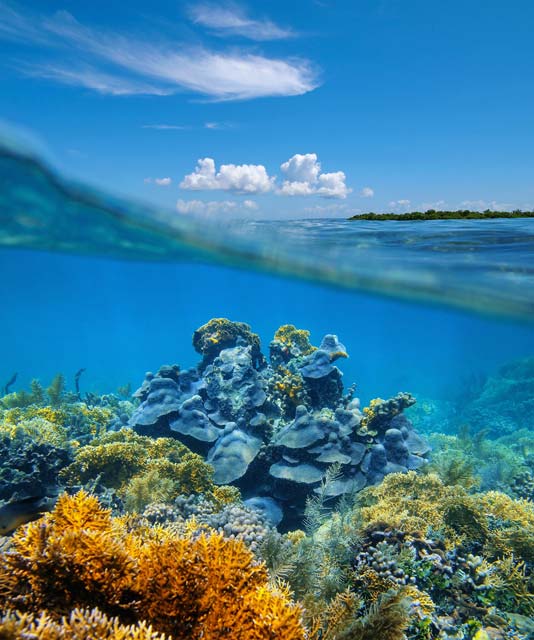
Lighthouse Reef Atoll is the best-known region, largely because of the famous Blue Hole, although many experienced divers find the surrounding reefs even more impressive. At Half Moon Caye Wall, coral-covered ledges fall away into deep blue water, creating dramatic drop-offs as turtles move slowly above the reef. Turneffe Atoll adds macro life, reef sharks, eagle rays, and varied reef terrain.
Belize suits divers looking for easy Caribbean travel and impressive biodiversity. It is also a practical choice for mixed-experience groups because shallow reefs and more advanced sites are relatively close together. A stay on Ambergris Caye combined with several offshore trips, or a short liveaboard itinerary, can offer a good balance.
4. Komodo, Indonesia: Action-Packed Diving in Peak Form
If you enjoy current-driven dives and dramatic marine life encounters, June is an excellent time to visit Komodo. The dry season has begun, bringing better visibility and cooler temperatures to many sites along with strong, nutrient-rich currents that keep the reefs in constant motion.
 Image: Vovo Korth
Southern Komodo remains cooler because of upwellings, sometimes dropping to 22–24°C (72–75°F), while northern areas may stay closer to 27°C (81°F). These changing water masses help make June such a productive time for diving in the region. At Manta Point, mantas may sweep low over the seabed, while Castle Rock and Crystal Rock pulse with trevally, reef sharks, barracuda, and dense schools of fish.
Komodo is best suited to confident divers, photographers, and adventure seekers who enjoy faster-paced dives. Conditions can be demanding, so strong buoyancy, close team awareness, and a clear understanding of currents are important. The SSI Waves, Tides & Currents Specialty helps divers read dynamic open-water conditions and feel more prepared when the water starts moving.
5. Papua New Guinea: Untouched Reefs and Pelagic Encounters
Papua New Guinea remains one of the least crowded major dive destinations, and June can bring calmer seas and improving visibility in several regions. Conditions differ across the country, so it is worth choosing the region first and then checking its seasonal pattern.

Kimbe Bay is a strong June option, with coral-covered seamounts rising from deep water and offshore reefs where barracuda, tuna, and sharks patrol the blue. Milne Bay offers a different style of diving, including macro-rich sites and unusual critters hiding in volcanic sand slopes. Both regions remain relatively untouched by mass tourism, which makes the mix of reef life, wide-angle scenery, and small subjects exceptional.
Papua New Guinea suits divers who value marine diversity more than polished resort infrastructure. Travel can feel adventurous, and domestic flights are often part of the journey. The reward is quieter dive sites and a sense of genuine exploration. Lodge-based itineraries and liveaboards usually work best because the main diving areas are spread out.
6. Northern Red Sea, Egypt: Warm Water and Legendary Visibility
June is one of the most appealing months for the Northern Red Sea. Water temperatures rise to around 24–27°C (75–81°F), visibility can exceed 30 meters (98 feet), and marine activity increases before the most intense summer heat arrives. On a good day, wrecks and reef walls seem to hang in clear blue water below the boat.

Northern wreck routes are especially attractive at this time of year. The Thistlegorm and the Abu Nuhas wrecks can be easier to enjoy than during rougher winter conditions, although wind and currents still vary. At Ras Mohammed, clouds of fish gather above the reef while trevally cut through the schools and reef sharks may appear in the blue.
This region is a strong choice for wreck enthusiasts, photographers, and divers seeking good value. Liveaboards can combine famous wrecks with reefs in one itinerary, often at a lower overall cost than many tropical destinations. The SSI Wreck Diving Specialty helps divers develop safer habits for orientation, buoyancy, and non-penetration dives around submerged structures.
7. Great Barrier Reef, Australia: Cooler Water, Better Clarity
June marks the start of winter on Australia’s Great Barrier Reef. That may not sound like an obvious tropical escape, but the cooler, drier weather often brings lower humidity, calmer travel conditions, and clearer water. Temperatures commonly sit around 23–25°C (73–77°F), depending on location, and the reef can appear especially crisp beneath the winter light.

June also marks the beginning of dwarf minke whale season in the northern reef regions, especially around the Ribbon Reefs. Encounters tend to become more frequent as winter progresses, but early-season trips may offer quieter boats and excellent reef diving. Around Cod Hole and the outer reefs, giant potato cod hover beside coral bommies while reef sharks and large schools of fish move through the open water.
The Great Barrier Reef works for many experience levels, from beginners on shallow coral gardens to advanced divers joining remote liveaboards. June is particularly appealing to travelers who prefer drier air and cooler conditions over tropical heat.
How to Choose the Right June Dive Destination
The best June dive destination depends on the kind of experience you want. If large marine life and memorable encounters are your priority, the Maldives and Komodo are hard to beat. Belize offers warm Caribbean diving and relatively easy travel, while Egypt is a strong choice for wreck enthusiasts. Photographers and marine-life lovers may find Papua New Guinea especially rewarding.
Budget matters too. Egypt and Belize often offer good value, while Papua New Guinea and the Maldives usually require a larger investment. Climate can also shape the experience. Hawaii and Australia offer milder conditions, while tropical destinations remain warm and humid.
Your experience level should guide the final choice. Komodo’s currents require confidence and control, while Hawaii and many Great Barrier Reef sites offer options for a wider range of divers.
June rewards divers who plan around seasonal conditions rather than famous names alone. Choosing a destination at the right time can mean clearer water, more active marine life, and dives that feel far more memorable.
If your trip includes strong currents, manta encounters, or historic wrecks, relevant SSI training and advice from an SSI Professional can help you prepare for the conditions ahead.
Image credits:
- Manta Rays in Hanifaru bay, Maldives: DepositPhotos
- Diver and Eagle Ray: Vovo Korth


