









The Reef-World Foundation Launches ‘Let’s Save Our Reefs!’ Campaign to Protect Coral Reef Ecosystems in the Big Give Green Match Fund for the first time. As coral reefs face unprecedented threats, Reef-World aims to raise awareness and funds to protect these invaluable marine ecosystems.
 Image: Jill Studgholme
Coral reefs are the lungs of the oceans; they absorb CO2 from the atmosphere and transform it into oxygen that we breathe. Undoubtedly, coral reefs are vital for ocean health, yet they are under immense risk. It’s estimated that 70 million tourists visit coral reef destinations each year, which provides an excellent opportunity to galvanise action and support for coral reef protection. According to a Reef-World survey, 83% of divers express a desire to help, but many lack the means to do so. The “Let’s Save Our Reefs!” campaign seeks to bridge this gap by empowering individuals and tourists to take tangible actions towards coral reef conservation.

Urgent Help Needed
The urgency to save coral reefs cannot be overstated. Coral reefs are not only breathtakingly beautiful, but they also serve as crucial habitats for countless marine species, supporting biodiversity and providing livelihoods for millions of people around the world. However, these ecosystems are under severe threat from climate change, pollution, overfishing and other human activities.
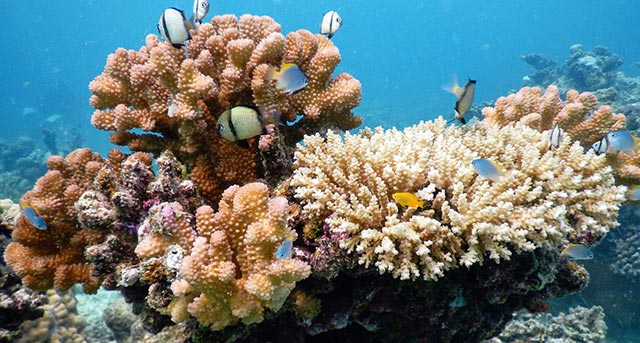 Image: Tomoe Steineck/Unsplash
Scientists have recently announced that the world is currently experiencing its fourth global coral bleaching event, the second in the last 10 years. Without immediate action, we risk losing these vital ecosystems forever, along with the myriad benefits they provide to both marine life and humanity. Predictions pose a daunting future, where even the most conservative estimates suggest we could lose coral reefs globally by 2050. The “Let’s Save Our Reefs!” campaign is a call to action for everyone to come together and do their part in protecting and preserving these irreplaceable natural wonders before it’s too late.
“As we embark on our first participation in the Big Give Green Match Fund, we are fuelled by a deep sense of responsibility to protect our planet’s precious coral reefs. This campaign is not just about raising funds; it’s about igniting a movement of collective action. Together, we can make a tangible difference in safeguarding our reefs for generations to come.” Chloe Harvey, Executive Director, The Reef-World Foundation.
Make a Difference
The campaign is dedicated to empowering individuals to make a real difference in reef protection by selecting sustainable diving operators and practices. Through this approach, a significant and lasting impact on coral reef conservation efforts is sought to be catalysed.
As Reef-World celebrates its 20th anniversary, the organisation reflects on two decades of commitment to coral reef protection and marine conservation. The journey has been marked by significant milestones, from implementing sustainable diving practices to raising awareness about the urgent need to protect coral reefs. As this milestone is commemorated, the dedication to preserving marine biodiversity and ensuring a sustainable future for oceans is reaffirmed through the “Let’s Save Our Reefs” campaign. Joining the mission is encouraged.
Join Reef-World in its mission to preserve reefs through active participation in the “Let’s Save Our Reefs!” campaign. Contributions, regardless of size, matter greatly! Together, let’s enact change and safeguard these crucial marine ecosystems for future generations.
For more information and to donate, visit the campaign page.
Image credits:
- coralreefstjohns-1200: Jill Studgholme
- Coral reef in Japan.: Tomoe Steineck/Unsplash
